We went back for Dhurandhar 2. For obvious reasons. Watching the same movie for a second time is a quiet luxury; it strips away the frantic anxiety of the unknown. The first time we watch, we are held hostage by the plot, our hearts racing against the clock, desperate to know how the chaos untangles.
But the second time? The goosebumps fade, replaced by a deep, resonant thrill. You no longer watch the screen; you inhabit it. You notice the subtle shift in an actor’s eyes, the deliberate shadow on the wall, the perfect cadence of a line you missed because you were breathing too fast the first time.

If we could re-live our own lives with this same foresight, the old bruises wouldn’t hurt as much.”
Imagine stepping backward into childhood, walking through those heavy, dark chapters entirely unfazed, simply because you already know you survived them.
The schoolyard loneliness, the quiet heartbreaks, the nights the world felt too big and too cold—they lose their teeth when you hold the map to the future. You could look at your younger self, pat her on the shoulder, and say, “Don’t worry. This part passes.” A second watch lets you harvest the joy of the story while leaving the ghost of the bad experiences behind. It turns memory from a trap into a sanctuary.
A Serendipitous Detour
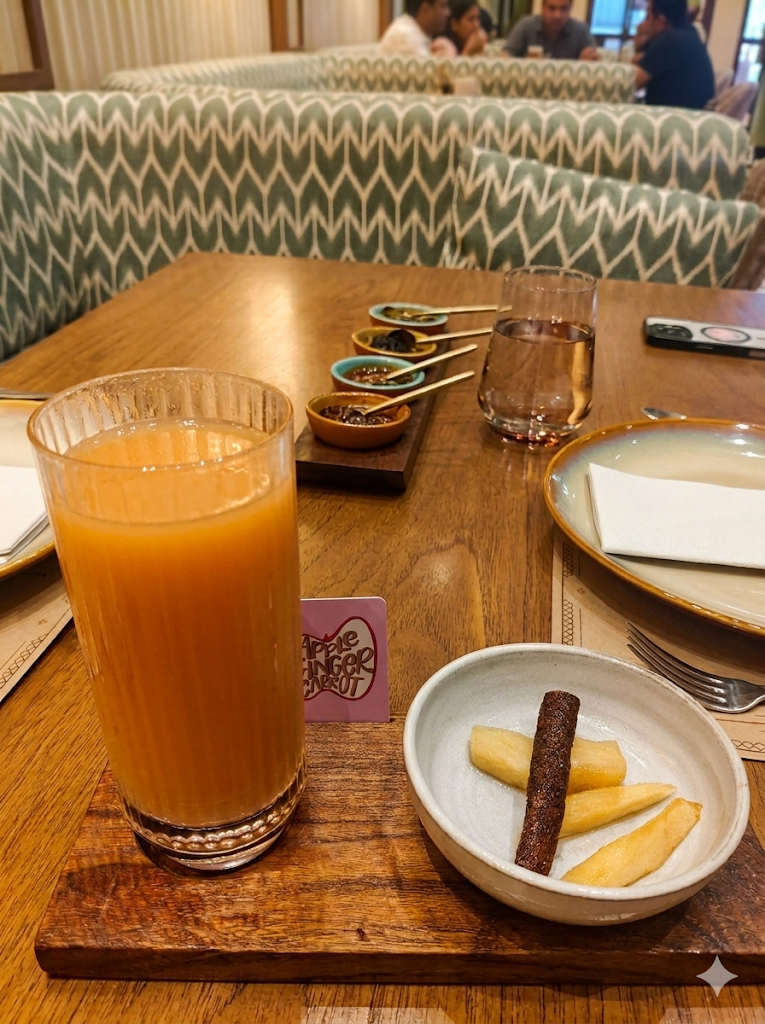
Four hours later, the credits had long rolled, and the evening air called for a different kind of grounding. We chased that cinematic comfort into a quiet, unsuspecting corner of the city. As luck would have it, we stumbled upon a place called Burma Burma.There is a distinct magic in places you do not look for, places that seem to find you instead. Stepping inside felt like crossing an invisible threshold into an intentional calm.
The vibe was immediate and welcoming, an oasis of green and gold where the world outside ceased to hum so loudly. To find a space entirely vegetarian is a rare relief—it felt safe, inclusive, and immediately gentle. We sat down and let the table become a canvas of simple, profound nourishment:

The alive, fermented fizz of kombucha, sharp enough to wake the senses and clear the palate. Earthy, grounding Buddha bowls—vibrant collages of grains and greens that tasted of care and quiet soil.
An array of complex chutneys and crunchy, textured accompaniments that whispered stories of a distant, beautiful land. And then, there was the tea.Ah, the tea. It arrived not just as a beverage, but as a ritual. To hold a warm cup between your palms at the end of a long, reflective day is perhaps the greatest, simplest mercy life offers us. It is the ultimate punctuation mark. As the steam rose and curled into the air, it felt as though the hours were settling down around us, tucking themselves into bed.
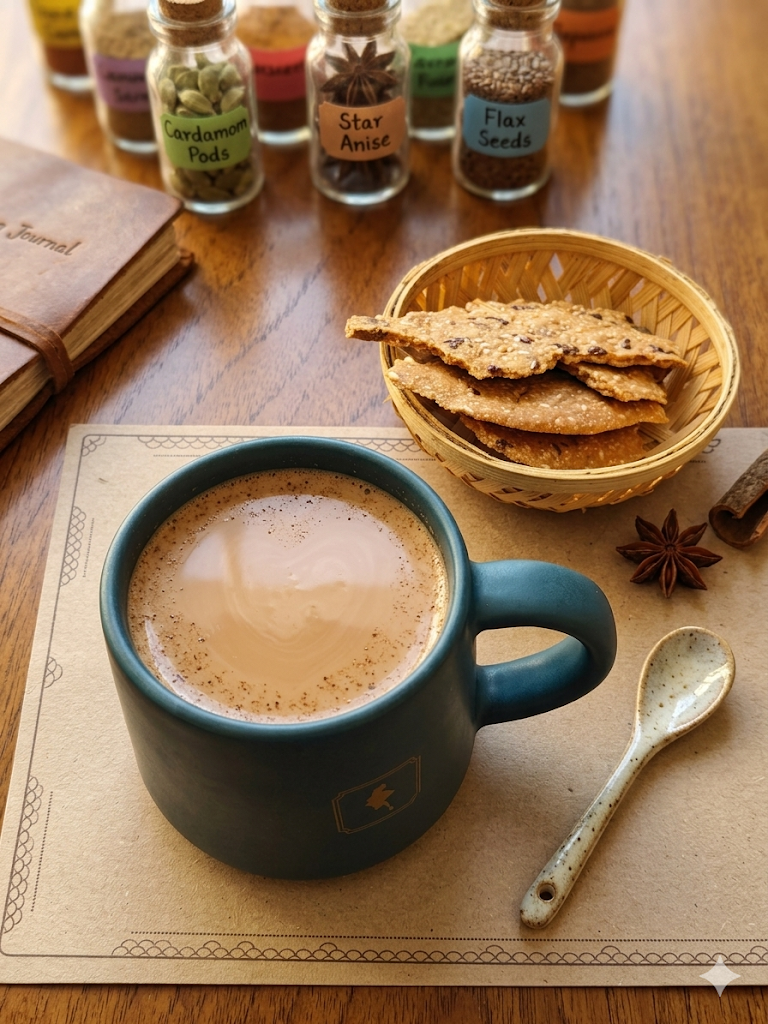
We did not chase grand adventures today. We did not demand anything monumental from the world. We simply allowed ourselves to watch, to taste, and to linger. It was a day stripped entirely of pretense. Just good cinema, slow tea, and the quiet, breathtaking joy of a day beautifully and simply lived.